
C6 Carbide
I. Definition and System Positioning of C6 Carbide
C6 Carbide is a classic steel machining-specific cemented carbide grade under the American ANSI standard system, belonging to the traditional American C-series cemented carbide grading system. This system divides cemented carbides into eight grades, C1 to C8. C1-C4 are pure tungsten-cobalt alloys without titanium or tantalum, suitable for machining cast iron, non-ferrous metals, and non-metallic materials. C5-C8 are composite carbide cemented carbides with added TiC and TaC, specifically developed for steel cutting scenarios, primarily addressing the crater wear and tool sticking problems in steel machining. As the most versatile medium-grade alloy in the C-series, C6 achieves a balanced match between hardness, wear resistance, and toughness. It is the mainstream base material for semi-finishing and finishing steels in the North American machining industry, widely used in various welded tools and indexable CNC inserts. Its stable comprehensive performance has made it a benchmark grade for industrial general-purpose steel cutting.
II. Chemical Composition and Core Physical and Mechanical Properties
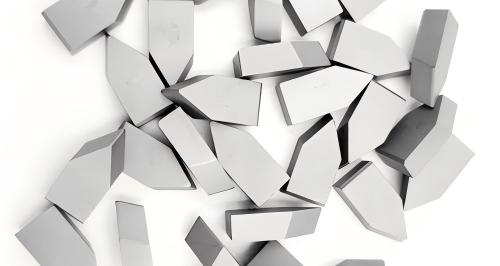
Regarding composition and physical and mechanical properties, C6 Carbide boasts a standardized and mature formulation. While formulations may vary slightly among different manufacturers, the core components remain consistent. A typical mass percentage is 81.5% tungsten carbide, 6.0% titanium carbide, 4.5% tantalum carbide/niobium carbide, and 8.0% cobalt. Unlike ordinary pure tungsten-cobalt alloys, the addition of titanium carbide significantly enhances high-temperature resistance to crater wear, reducing the risk of tool sticking during steel cutting. Tantalum carbide substantially improves the alloy’s high-temperature strength and resistance to hot deformation, optimizing red hardness. The 8% cobalt binder phase provides sufficient toughness, balancing brittleness and preventing chipping during machining. Its core performance parameters are stable and controllable, with a density range of 12.8~13.3 g/cm³, a Rockwell hardness (HRA) of 90.0~91.2, a bending strength of 2000~2600 MPa, and a continuous cutting heat resistance critical temperature of 900~1000℃. This material is prepared using a medium-fine grain process, resulting in excellent cutting edge sharpness. It ensures wear and heat resistance during high-speed cutting while also being suitable for light, intermittent cutting conditions. Its hardness and wear resistance are superior to the ductile-oriented C5 grade, but its impact toughness is weaker. Simultaneously, its toughness is superior to the high-hardness, finishing-oriented C7 and C8 grades, while its wear limit is slightly lower.
| WC | CO | TiC | TaC | Grain size (μm) | Hardness(HRA) | Density(g/cm³) | TRS (N/mm²) |
| 81.5% | 6% | 6% | 4.5% | 0.8-0.13 | 90–91.2 | 12.8–13.3 | 2000–2600 |
III. Domestic and International Grade Benchmarking and Replacement Reference
In the international grade benchmarking system, C6 Carbide has clear and universally applicable replacement standards, serving as an important basis for material selection in multinational machining. According to the ISO international cemented carbide standard, C6 corresponds to the P20-P30 range, primarily suitable for P20 conditions, while also compatible with light machining scenarios for M15-M20 stainless steel. It is a general-purpose grade for steel processing, suitable for conventional cutting of carbon steel and low-alloy steel. Benchmarking against Chinese national standards for cemented carbide grades, C6 is highly compatible with domestically produced YT14. Their composition, mechanical properties, and machining applications are largely matched: YT14 contains approximately 14% TiC and 8% cobalt, and is also positioned for semi-finishing and general-purpose machining of steel, making it the optimal domestic alternative to imported C6. It is crucial to distinguish that China’s YG6 (corresponding to US C2) is a pure tungsten-cobalt alloy, without titanium or tantalum components. It is only suitable for machining cast iron, aluminum, copper, and similar materials, and cannot replace C6 for steel cutting. Therefore, strict consideration must be given to the specific working conditions when selecting materials to avoid significant tool life reduction.
IV. Applicable Scenarios and Usage Restrictions
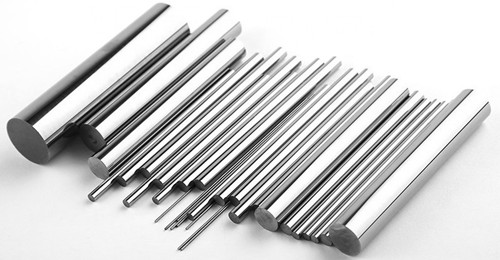
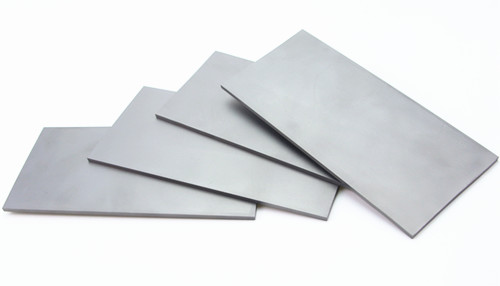
C6 Carbide has highly targeted application scenarios, primarily suitable for medium-to-high precision cutting of various steels, and compatible with mainstream machine tools including conventional lathes, CNC lathes, and machining centers. Its optimal working conditions are semi-finishing, finishing, and light roughing of 45# steel, A36 steel, 4140, and 4340 low-alloy structural steel. It can reliably complete continuous cutting operations such as external turning, end facing, step cutting, and threading. It is also suitable for light to medium milling, boring, and reaming of steel. In terms of tooling, it can be manufactured into various products including welded tool heads, standard indexable inserts, alloy strips, and round bar blanks. With TiN or TiCN coatings, tool life can be further increased by more than 30%, with the specific increase varying depending on the cutting conditions. However, this material has clear usage restrictions: it is not suitable for machining cast iron, aluminum alloys, graphite, etc., as the TiC component easily leads to accelerated wear of the built-up edge; it also cannot withstand roughing of forged steel with large depths of cut and strong impacts. For such conditions, the tougher C5 grade should be selected.
V. Conclusion
In summary, C6 Carbide from the United States is a highly adaptable general-purpose cemented carbide for machining steel. With its titanium carbide and tantalum carbide composite modified formula, it overcomes the shortcomings of traditional tungsten-cobalt alloy steel in terms of cutting performance, achieving a balanced match of hardness, wear resistance, red hardness, and toughness. Its performance parameters are standardized, with clear benchmarks between domestic and international grades, and precise adaptability to working conditions. It meets the high-precision and long-life requirements of continuous finishing of conventional steels, while also handling complex cutting scenarios with slight intermittent machining, combining cost-effectiveness and stability. As a classic North American industrial grade, C6 Carbide is not only a core material for imported cutting tools but also provides a clear reference for the selection of working conditions and import substitution of domestic YT14 material. It has broad application value in general machining and precision parts manufacturing, making it a preferred cemented carbide material that balances practicality and economy in steel cutting.
Our company is among China’s top ten tungsten carbide manufacturers. Should you require cemented carbide products, please contact us.