
C4 carbide
I. Material Definition and Grade Equivalency
C4 Carbide is a pure tungsten-cobalt cemented carbide grade defined under the U.S. ANSI standard system. It belongs to the C1–C4 series, which is specifically dedicated to the machining of non-metallic materials and cast iron. Within this series, it stands out as a high-end, ultra-fine-grained material characterized by the highest hardness and superior wear resistance, making it ideally suited for precision machining applications. This series was developed exclusively for cutting non-ferrous materials; it eschews complex modified formulations in favor of prioritizing high precision, exceptional wear resistance, and ultra-sharp cutting edges. In terms of global benchmarking, the performance of C4 Carbide aligns precisely with the ISO K05–K10 finishing range. It is highly compatible with Chinese grades such as YG3 and YG3X; specifically, its ultra-fine-grained variant offers performance levels essentially on par with YG3X. Recognized within the precision manufacturing sectors of Europe and the Americas as a specialized material for precision cutting, it is widely utilized across industries involving precision metal cutting, non-metallic finishing, high-end woodworking tools, and precision wear-resistant molds.
| WC | Co | Grain size (μm) | Hardness(HRA) | Density(g/cm³) | TRS (N/mm²) |
| 97% | 3% | 0.6-1.5 | 92-94 | 15.1-15.4 | 1900 |
II. Chemical Composition
C4 Carbide employs a pure WC-Co binary alloy system, free from the addition of modifying carbides such as titanium, tantalum, or niobium; consequently, its formulation is simple and its purity is exceptionally high. Tungsten carbide (WC) constitutes 94%–97% of the material by weight, serving as the core component responsible for its ultra-high hardness and wear resistance. Cobalt (Co) accounts for 3%–6%—with the mainstream ratio typically falling between 3.75% and 5%—providing the requisite basic toughness and compressive strength. Total impurity content is strictly controlled to remain below 0.5%, ensuring a uniform and dense grain distribution free from porosity defects.
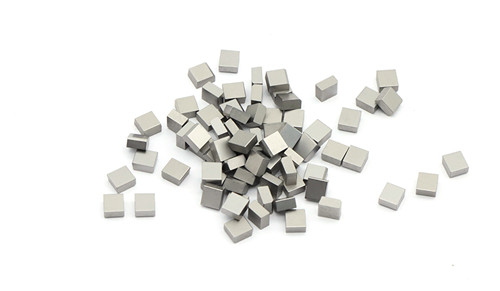
III. Physical and Mechanical Properties
This material is produced using a sub-micron, ultra-fine-grained sintering process, resulting in a grain size ranging from 0.6 to 1.5 μm—a characteristic that enables the grinding of exceptionally sharp cutting edges. Its hardness reaches 92.0–94.0 HRA, a level significantly higher than that of standard YG3. With a density of 15.1–15.4 g/cm³, the material exhibits a highly stable structure. Its transverse rupture strength (bending strength) ranges from 1200 to 1900 MPa; while its toughness is essentially on par with that of YG3X, it is generally characterized as a material possessing high hardness but relatively low toughness. Limitation: The material exhibits relatively low impact toughness; consequently, it is suitable only for machining conditions characterized by stability, low vibration, and continuous cutting operations, and cannot withstand heavy-load impacts or intermittent cutting applications. IV. Wide Range of Applications
Metalworking: Used for high-speed precision turning, precision boring, and thread finishing of cast iron, copper, aluminum, brass, and other non-ferrous metals. It is specifically adapted for ISO K05-K10 operating conditions, effectively preventing tool adhesion and surface scratching.
Non-metal Processing (Core Strength): Particularly well-suited for various types of wood processing—including the precision cutting, edge trimming, grooving, and profiling of solid wood, plywood, MDF, and particleboard. Its sharp cutting edges ensure chip-free results without edge chipping, burrs, or scorching. It can also be used to process acrylic, plastics, hard rubber, graphite, composite fibers, and similar materials.
Wear-Resistant Components: Employed in the manufacture of precision fine-wire drawing dies, wear-resistant machine tool nozzles, precision gauges, EDM guides, and similar parts, serving industries such as precision light manufacturing and mold making.
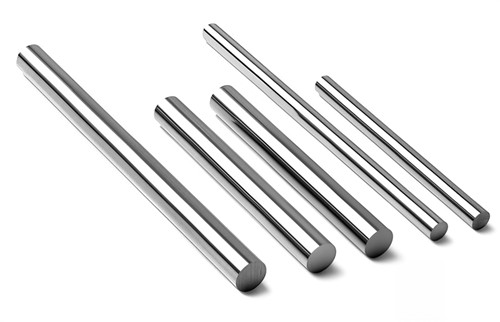
V. Material Summary
C4 Carbide comprehensively covers the fields of precision metal finishing, non-metal finishing, and the manufacturing of high-end wear-resistant components. In metalworking applications, it strictly adheres to ISO K05-K10 standards; it is utilized for the high-speed precision turning, boring, milling, and thread finishing of gray cast iron, ductile iron, copper, aluminum, and brass. It effectively resists built-up edge formation, thereby enhancing both dimensional accuracy and surface finish. Non-metal processing constitutes its core application scenario—particularly in woodworking—where it excels in the precision edge trimming, fine grooving, profile carving, and precision cutting of solid wood, plywood, MDF, particleboard, and multi-layer composite panels. It delivers results free of edge chipping, burrs, or scorching, making it the preferred material for high-end woodworking tools. Additionally, it is capable of processing acrylic, engineering plastics, hard rubber, graphite, carbon fiber composites, and similar materials. Concurrently, it serves as the material of choice for wear-resistant parts such as precision fine-wire drawing dies, wear-resistant machine tool nozzles, precision gauges, and EDM guides.
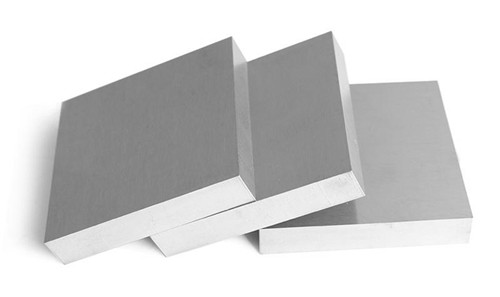
In summary, C4 Carbide is a precision-grade cemented carbide characterized by its highly targeted application suitability and outstanding performance. Leveraging a stable tungsten-cobalt ratio, ultra-fine grain structure, and exceptional hardness and wear resistance, it has established itself as an international benchmark material for K05-K10 precision finishing operations. It serves as a direct counterpart to Chinese grades such as YG3 and YG3X, while offering distinct advantages in terms of overall toughness and processing stability. It effectively resolves critical issues associated with standard cemented carbides—such as rapid edge dulling, susceptibility to wear, workpiece burring, and poor surface finish—making it perfectly suited for the precision machining of non-ferrous metals, non-metallic materials, and wood. Although its impact resistance is relatively low—rendering it unsuitable for heavy-duty roughing or high-impact interrupted cutting—it possesses irreplaceable advantages in the realms of precision continuous finishing and lightweight, wear-resistant components. Overall, C4 Carbide features precise performance positioning, delivers exceptional machining results, and offers a long service life; it stands as a premium material choice for high-end precision cutting tools, woodworking profiling cutters, and precision wear-resistant parts, holding immense practical utility and potential for widespread adoption.
Our company is among China’s top ten tungsten carbide manufacturers. Should you require cemented carbide products, please contact us.