
C2 vs C3 Carbide Comprehensive Comparative Analysis
C2 vs C3 carbide are two of the most widely utilized tungsten-cobalt-based (WC-Co) cemented carbides within the U.S. ANSI industrial standards. Both are manufactured via powder metallurgy processes and are characterized by high hardness, exceptional wear resistance, and structural stability; consequently, they are extensively employed in industrial applications such as mechanical cutting, mold manufacturing, and mining wear protection. Although both materials belong to the tungsten-cobalt cemented carbide family, their intended applications differ significantly: C2 carbide is a general-purpose, medium-grain alloy designed to offer a balanced combination of mechanical properties, whereas C3 is a precision-grade, ultra-fine-grain alloy engineered for high-precision operations and superior wear resistance. This article provides a systematic overview of the characteristics and selection rationale for these two alloys, structured across four key dimensions: material definitions, core distinctions, application fields, and a comprehensive summary.
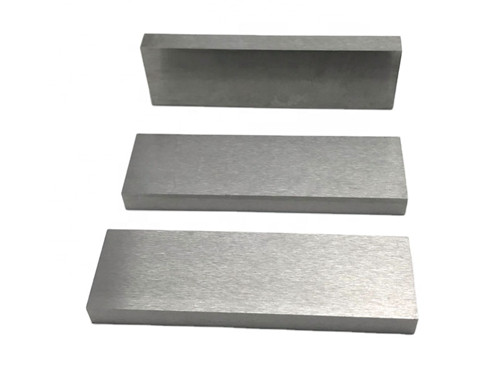
I. Basic Definitions of C2 VS C3 Carbide
C2 cemented carbide is a medium-grain, general-purpose carbide defined under the U.S. ANSI standard. It corresponds to the ISO K20 grade and the domestic Chinese grade YG6, serving as a foundational material for general industrial applications. Its standard composition consists of 94% tungsten carbide (the hard phase) and 6% cobalt (the binder phase), with no added trace elements; it achieves a balance between hardness and toughness through a classic compositional ratio. This material features a density of 14.8–15.0 g/cm³ and a hardness of 91–92.5 HRA. It exhibits excellent transverse rupture strength and maintains stable performance in operating environments below 800°C. Thanks to its high adaptability and cost-effectiveness, C2 has become the predominant cemented carbide choice for heavy-duty industrial tasks and general-purpose machining operations.
C3 cemented carbide is an ultra-fine-grain carbide developed specifically under the U.S. ANSI standard for precision-critical applications. It corresponds to the ISO K10 grade and the domestic Chinese grade YG6X, positioning it as a premium material for precision engineering. Its composition comprises 93%–94% tungsten carbide and 5%–7% cobalt, supplemented by trace additions (≤0.6%) of TaC/NbC—grain-modifying elements used to refine the microstructure. The grain size is a mere 0.6–0.9 μm—significantly finer than that of C2—and the material possesses a density of 14.85–15.0 g/cm³, with a hardness rating reaching 91.5–92.5 HRA. This material achieves uniform through-hardness without the need for heat treatment and exhibits excellent polishability at the cutting edge; its core objective is to satisfy the demands of precision machining requiring high accuracy, exceptional wear resistance, and superior surface finish.
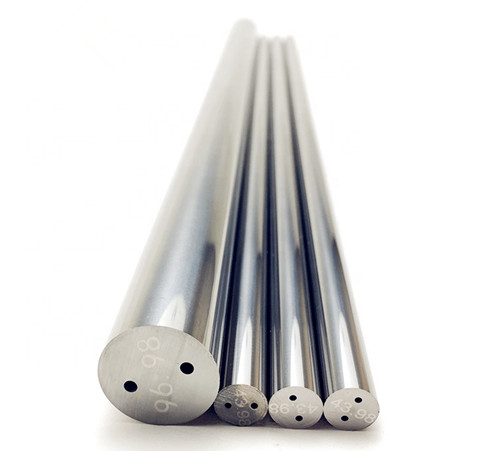
| Parameter | C2 carbide(K20-K30) | C3 carbide(K10-K20) | Description |
| Co(%) | 6–8% | 5–7% | C3 is slightly lower or similar. |
| Grain sizes (μm) | 1.2–1.5 μm | 0.6–0.8 μm | C3 exhibits significantly finer grain size. |
| Hardness (HRA) | 91.5–92.5 | 92.5–93.5 | C3 is 1 HRA higher than C2. |
| TRS (N/mm²) | 2200-2760 MPa | 200-2500 MPa | C2 is tougher than C3. |
| Density (g/cm³) | 14.80–15.0 g/cm³ | 14.85–15.0 g/cm³ | Similar density. |
| Application | Machining, cold stamping dies, and mining. | Precision Machining, Wire Drawing Dies, Nozzles, Low Impact & High Wear Resistance. |
II. Key Differences Between C2 VS C3 Carbide Alloys
The fundamental differences between these two alloys lie in their grain structure, chemical composition, mechanical properties, and manufacturing processes—factors that also serve as the primary criteria for selecting the appropriate material for specific operating conditions. The specific distinctions are outlined below:
First, differences in grain and compositional structure: C2 features a standard medium-grain structure characterized by uniform grain size and the absence of grain-refining treatments; its composition consists solely of tungsten carbide and cobalt, representing a classic and universally applicable formulation. C3, conversely, possesses an ultra-fine grain structure enhanced by specialized trace-element modification, which effectively inhibits grain growth. Its internal microstructure is dense and void-free, exhibiting a structural uniformity far superior to that of C2—a quality that serves as the foundational basis for its high-precision performance. Additionally, C3 contains a slightly higher percentage of cobalt than C2, which marginally enhances its structural stability under precision machining conditions.
Second, differences in mechanical property emphasis: The core advantage of C2 lies in its balanced combination of strength and toughness, robust impact resistance, and excellent flexural strength. It is capable of withstanding repetitive impacts, interrupted cutting operations, and heavy-load friction without being prone to edge chipping or fracture; in prioritizing broader operational adaptability, it sacrifices a degree of ultimate wear resistance. The core advantage of C3, on the other hand, lies in its exceptional hardness, ultra-high wear resistance, and capacity for achieving superior surface finishes. It demonstrates outstanding high-temperature stability and resistance to thermal fatigue, allowing for the creation of mirror-finish cutting edges; however, its impact toughness is relatively lower, rendering it unsuitable for applications involving heavy-load impacts or severe external mechanical stresses.
Third, differences in manufacturing and cost: C2 is produced using established and widely adopted powder metallurgy techniques. Its raw materials are readily available, and its sintering parameters are relatively flexible, enabling standardized mass production at a low manufacturing cost and offering exceptional value for money. C3, conversely, requires the use of ultra-fine powder raw materials and a highly precise sintering process, subject to rigorous production controls. Furthermore, it necessitates structural optimization through trace-element modification, resulting in higher manufacturing costs and positioning it primarily for high-end, precision-intensive applications.
III. Application Domains: Distinctions Between C2 VS C3 Carbide Alloys
Based on the differentiated performance characteristics outlined above, the application scenarios for these two alloys exhibit a clear distinction between high-end and standard-grade applications, as well as between light-duty and heavy-duty operations, thereby catering to the diverse requirements of various industrial production environments. Leveraging its exceptional toughness and versatility, C2 cemented carbide is primarily designed for medium-to-heavy-duty applications, general-purpose tasks, and harsh operating environments. In the field of cutting operations, it is well-suited for the medium-to-low-speed semi-finishing of various materials—including aluminum alloys, cast iron, plastics, and wood—offering a tool life significantly longer than that of high-speed steel. In the mold and die sector, it is frequently utilized in small-to-medium-sized cold-stamping dies, punches, and matrix dies, facilitating the repetitive stamping and forming of steel plates and thin non-ferrous metal sheets. Furthermore, it is widely applied in the mining industry for manufacturing wear-resistant components—such as cutting picks, scraper blades, and crusher liners—where it effectively withstands the high-intensity abrasion and impact inherent in mining operations, thereby substantially reducing equipment maintenance costs.
Distinguished by its high precision and superior wear resistance, C3 cemented carbide is tailored for light-to-medium-duty applications, precision-oriented tasks, and operations requiring a high surface finish. In the cutting sector, it is primarily employed for the finish machining of chilled cast iron and hardened steel, as well as for the high-precision processing of PCB tools, graphite electrodes, and intricate electronic components; it delivers a pristine cutting edge finish, ensuring burr-free machining and consistent dimensional accuracy. In the mold and die sector, it focuses on high-end precision tooling—such as wire-drawing dies for fine wires (under 6mm in diameter) and cold-heading dies for bearings and standard fasteners. Additionally, it is used to manufacture wear-resistant components—such as precision bearings and valve nozzles—finding extensive application in high-tech sectors including aerospace, precision machinery, and electronics manufacturing.
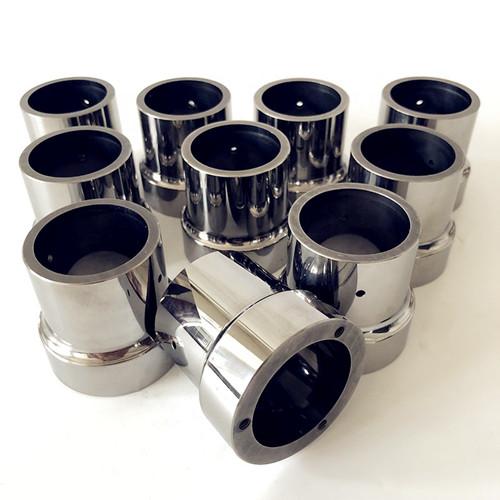
IV. Comprehensive Summary of C2 VS C3 carbide
Overall, there is no inherent hierarchy of superiority or inferiority between C2 vs C3 carbides; rather, they represent two distinct yet complementary categories of industrial materials, each positioned for specific operating conditions. C2 is a general-purpose, cost-effective cemented carbide characterized by its excellent toughness, impact resistance, and high cost-performance ratio; it is suitable for the vast majority of medium-to-heavy-duty industrial machining and wear-resistant applications requiring standard precision, serving as a foundational material for industrial production. C3 is a high-end, precision-oriented cemented carbide distinguished by its exceptional hardness, superior wear resistance, and ultimate machining precision; it is custom-tailored for precision finishing, high-end tooling, and applications demanding a flawless surface finish. In practical industrial material selection, C2 is the preferred choice for heavy-duty, high-impact, and general batch-processing applications; conversely, C3 is the preferred choice for scenarios demanding high precision, extreme wear resistance, and high-end precision machining. By making an appropriate selection, users can maximize material performance, thereby reducing production costs and enhancing both product machining quality and equipment service life.
Our company is among China’s top ten tungsten carbide manufacturers. Should you require cemented carbide products, please contact us.