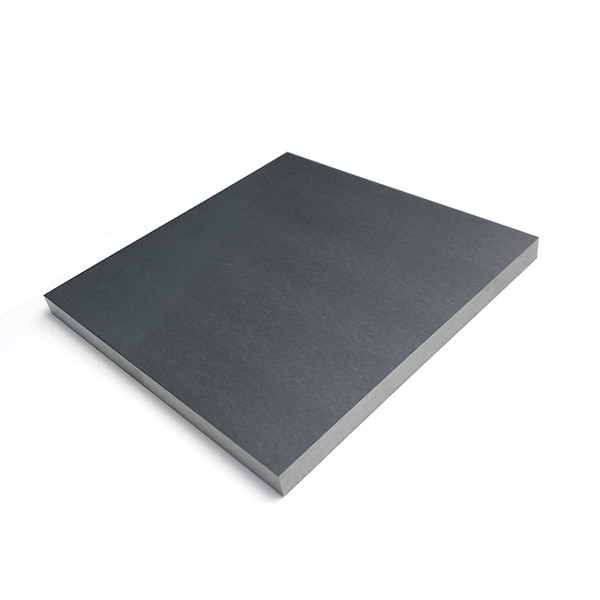
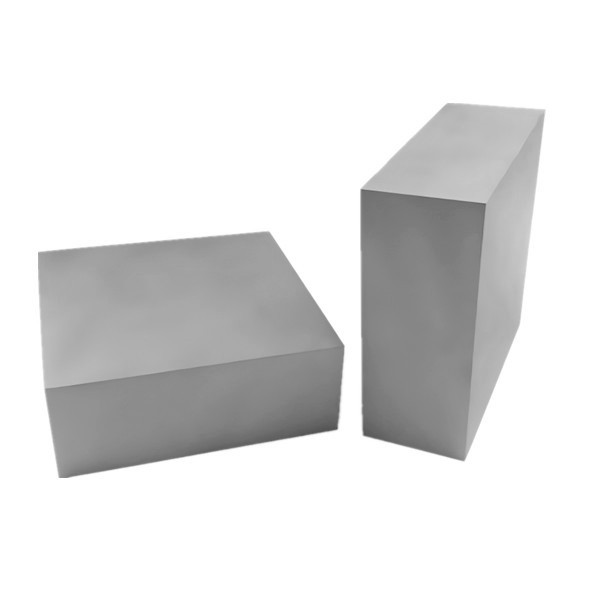
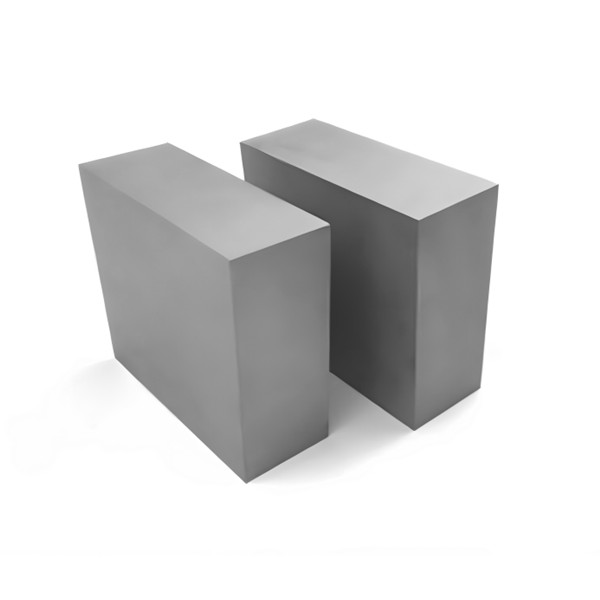
Wolfram carbide EDM blocks grades:
| Grade | Composition (%) | Density (g/cm3) | Hardness (HRA) | T.R.S (N/mm²) |
| YG6A | 6%co 94%wc | 14.85 | ≥92.5 | ≥2000 |
| YG8 | 8%co 92%wc | 14.7 | ≥89.8 | ≥2800 |
| YG10X | 10%co 90%wc | 14.35 | ≥91.5 | ≥3600 |
| YG11 | 11%co 89%wc | 14.4 | ≥88.5 | ≥2900 |
| YG15 | 15%co 85%wc | 14 | ≥87.0 | ≥3000 |
| YG20 | 20%co 80%wc | 13.5 | ≥85.5 | ≥2800 |
| YG13X | 13%co 87%wc | 14.2 | ≥90.0 | ≥3200 |
| BT15 | 10%co 90%wc | 14.35 | ≥92.2 | ≥3900 |
| YG6A | Fine grain alloy, good wear resistance. It is suitable for manufacturing forming cutter, wear-resistant parts etc. |
| YG8 |
High bending strength, wear resistance lower than YG6A, suitable for manufacturing forming cutter, wear-resistanparts etc. |
| YG11 | |
| YG15 | Suitable for manufacturing punching dies, wear-resistant parts etc. |
| YG20 |
High bending strength, suitable for manufacturing progressive dies and other punching dies. |
| YG13X | |
| BT15 | Submicron grain size, High performance, making cutting tools, suitable for cutting ordinary alloy steel, aluminum alloy, heat resistant alloy, cast iron, etc. |
Wolfram carbide EDM blocks sizes:
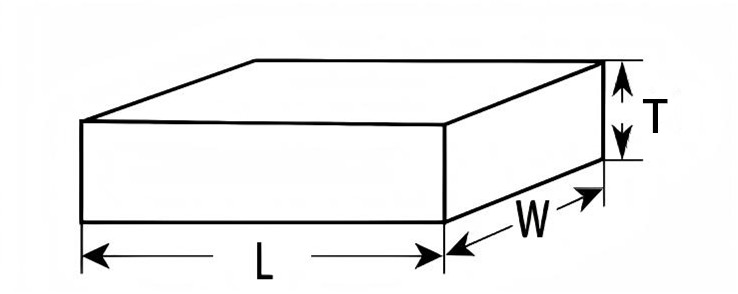
| Length (mm) (L) |
Tolerance | Width (mm) (W) |
Tolerance | Thickness (mm) (T) |
Tolerance |
| 100 | +2.0/0 | 100 | +2.0/0 | 1.0-70.0 | +0.5/+0.2 |
| 105 | +2.0/0 | 105 | +2.0/0 | 1.0-70.0 | +0.6/+0.2 |
| 110 | +2.0/0 | 110 | +2.0/0 | 1.0-70.0 | +0.8/+0.2 |
| 120 | +2.0/0 | 120 | +2.0/0 | 1.0-70.0 | +1.0/+0.2 |
| 135 | +2.0/0 | 135 | +2.0/0 | 1.0-70.0 | +1.2/+0.2 |
| 150 | +2.5/0 | 150 | +2.5/0 | 1.0-70.0 | +1.2/+0.2 |
| 200 | +2.5/0 | 200 | +2.5/0 | 3.0-70.0 | +1.2/+0.2 |
| 250 | +5.0/0 | 250 | +5.0/0 | 15.0-60.0 | +1.2/+0.2 |
| 300 | +7.0/0 | 300 | +7.0/0 | 20.0-60.0 | +1.2/+0.2 |
Carbide EDM blocks details:
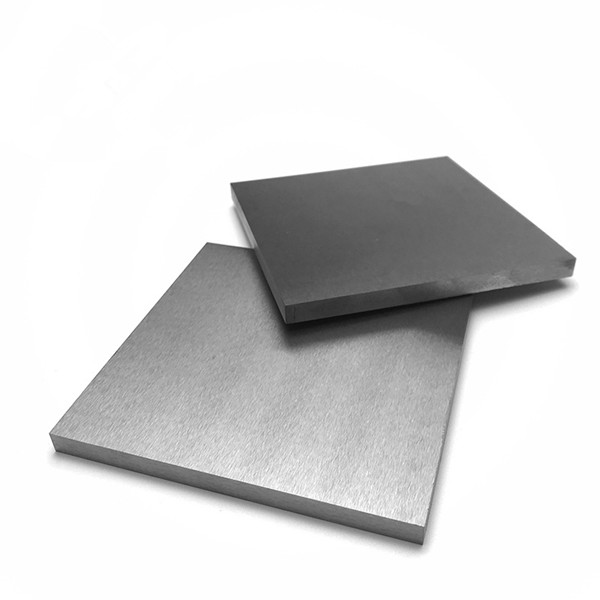
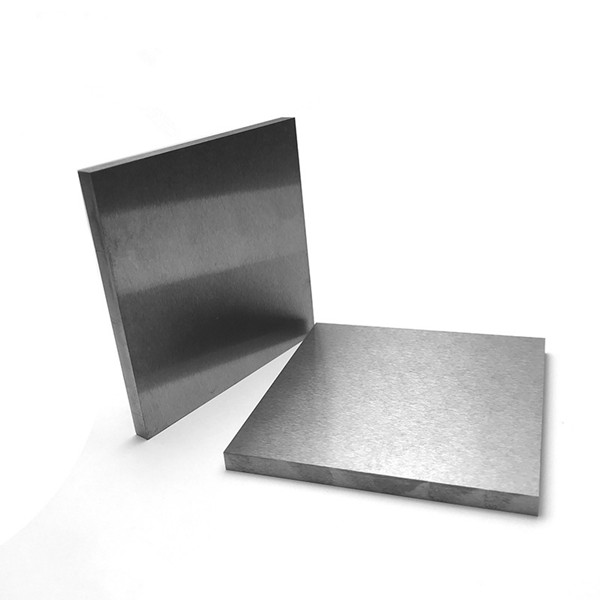
FAQ for carbide EDM blocks:
Q1: What is a tungsten carbide EDM block?
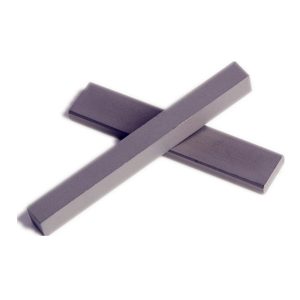
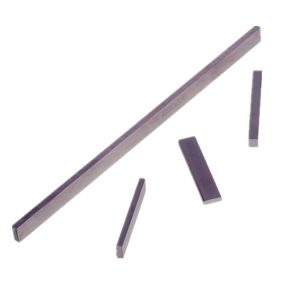
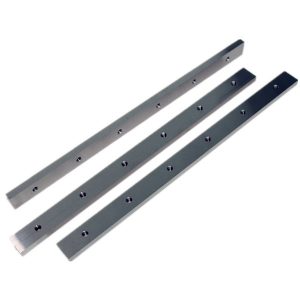
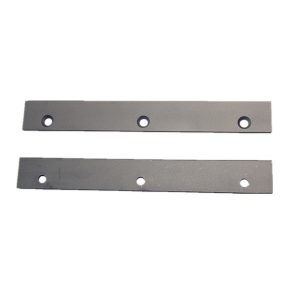
A: Tungsten carbide EDM blocks are ground solid sintered carbide blanks specially made for wire cut EDM (WEDM) and sinker EDM. They are used as raw material to fabricate mold inserts, punches, dies and wear-resistant precision parts via electrical discharge machining.
Q2: Do you apply cryogenic treatment to your carbide blocks?
Yes, all our carbide EDM blocks go through deep cryogenic treatment to eliminate internal residual stress and minimize cracking during wire cutting.
Q3: What’s your MOQ for standard / custom carbide EDM blocks?
A: Standard stock sizes: small MOQ, sample order acceptable (1–2 pcs for testing). Non-standard customized shapes require higher MOQ to cover mold & sintering cost.
Q4: What’s your production lead time?
A: Stock ground plates: 2–3 working days.
Standard custom carbide EDM blocks: 10–25 days
Main applications of carbide EDM blocks:
Processing of High-Hardness and Difficult-to-Machine Materials: This is the core advantage of cemented carbide EDM blocks. They enable efficient machining of hard-to-process materials such as cemented carbide (tungsten carbide), titanium alloys, and high-temperature alloys using conventional methods. They are particularly suitable for manufacturing high-hardness, high-precision molds and parts, including injection molds, stamping dies, engine turbines, and medical devices.
Core Conductive Component of EDM Machines: In wire-cut EDM machines, it serves as a critical conductive block responsible for stably transmitting high-frequency current to the electrode wire. Thanks to its ultra-high hardness, it withstands high-speed friction from the electrode wire while preventing deflection, ensuring machining accuracy.
Manufacturing of High-Precision Complex Molds: Used in the production of molds for precision electronic components (e.g., connectors, semiconductors), it can machine extremely narrow slots, tiny holes, and other complex geometries beyond the capability of conventional cutting tools. Our company offers over 100 standard sizes and supports custom customization to meet diverse machining requirements.
Fabrication of Mold Core Components: Featuring a combination of ultra-high hardness and favorable toughness, it is widely used to produce punches, dies, drawing dies, as well as various wear-resistant inserts, guide bushes, guide pillars, and other key parts for stamping molds.
Please send us inquiries for quotations and free samples for testing: