
Sintering Tungsten Carbide
Among common tool materials, tungsten carbide stand out for their exceptional hardness and wear resistance, occupying a pivotal position in modern industry. The ability of an ordinary tungsten carbide tool to withstand harsh operating conditions relies fundamentally on a critical process: sintering.
While sintering may appear simple, it actually involves complex physical and chemical transformations. In industrial practice, tungsten carbide sintering utilizes tungsten carbide (WC) powder as the matrix, combined with binder phases such as cobalt or nickel. After mixing and compacting the powders into a green body, the material is subjected to high temperatures within a controlled atmosphere, causing the powder particles to bond tightly and form a dense tungsten carbide. Three key parameters—temperature, time, and atmosphere—directly determine the final performance characteristics of the carbide.
I. Tungsten carbide sintering temperature: The Core Control Point of the Sintering Process
Temperature is the most critical factor influencing the effectiveness of the sintering process; even a slight deviation can compromise the quality of the resulting tungsten carbide. If the sintering temperature is excessively high, it leads to abnormal grain growth within the alloy structure, causing a drastic increase in material brittleness and a loss of essential toughness. Conversely, if the temperature is too low, the powder particles fail to bond sufficiently; the density of the sintered body falls below standard requirements, resulting in a significant reduction in both the alloy’s strength and its wear resistance.
In industrial production, the sintering temperature for standard tungsten carbide alloys is consistently maintained within a controlled range of 1380°C to 1480°C. This specific temperature window facilitates the perfect fusion of the tungsten carbide matrix with the binder phase, creating a stable and uniform alloy microstructure that strikes an optimal balance between hardness and toughness, thereby meeting the diverse requirements of various industrial operating conditions.
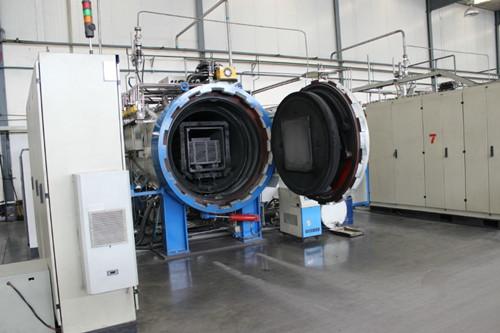
II. Sintering tungsten Carbide Atmosphere: The Key Defense Line for Ensuring tungsten carbide Purity.
The sintering atmosphere is of paramount importance; current industry standards predominantly utilize vacuum sintering or sintering within a controlled protective atmosphere. A vacuum environment effectively isolates oxygen, thereby preventing oxidation and the formation of impurities, which ensures the purity of the material. Meanwhile, a controlled protective atmosphere allows for the precise balancing of carbon potential, preventing both decarburization and carburization, and thereby avoiding the formation of brittle impurities.
If the atmosphere is not properly controlled—even if the temperature is precisely regulated—the performance of the tungsten carbide will be severely compromised, rendering it incapable of meeting industrial standards.
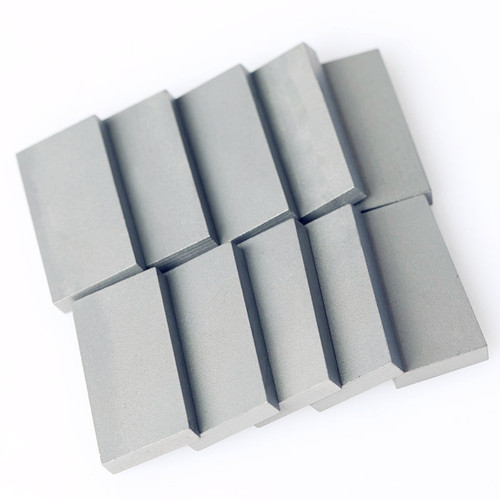
III. Sintering tungsten Carbide Time: The Core Element Most Easily Overlooked
Sintering time is a factor often overlooked, yet it directly impacts the density of tungsten carbide. If the holding time at peak temperature is too short, the particle bonding remains weak, and excessive residual porosity persists within the material. Conversely, if the holding time is too long, grain coarsening occurs, leading to a decline in both wear resistance and impact toughness. In actual production, technical personnel must precisely coordinate the temperature and sintering time parameters to ensure that the carbide achieves its optimal performance potential.
IV. Post-Sintering Processing and Prevention of Common Issues
Following sintering, the tungsten carbide typically requires further processing to render it suitable for high-end operational environments. Hot Isostatic Pressing (HIP) is a commonly employed technique; by applying high temperature and high pressure, it eliminates microscopic internal pores within the tungsten carbide, thereby further enhancing its density and uniformity. This process allows the tungsten carbide to retain its high hardness while significantly boosting its impact resistance and compressive strength, ensuring greater stability when subjected to extreme operating conditions.
During the sintering process, deformation and cracking are the most prevalent issues, predominantly triggered by sudden temperature fluctuations. Production protocols must therefore incorporate gradual heating and cooling cycles to prevent the generation of thermal stresses caused by drastic temperature swings, thereby effectively mitigating cracking and deformation problems. Concurrently, strict control over the purity of the furnace atmosphere is essential to prevent high-temperature oxidation from adversely affecting the alloy’s performance.
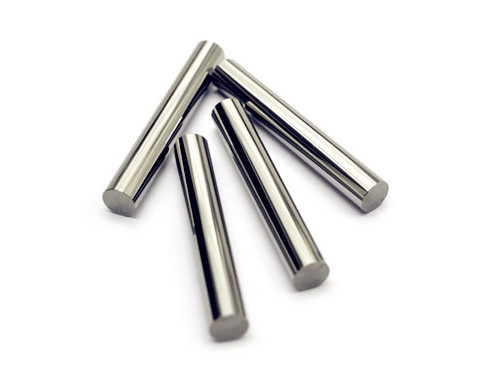
V. Process Summary and Future Prospects
The sintering of tungsten carbide is a sophisticated, systemic process that demands precise control over various parameters to ensure product stability. As technological advancements continue to optimize material performance, the future prospects for its application across a wide range of industries are becoming increasingly expansive.
Our company is among China’s top ten cemented carbide manufacturers. Should you require cemented carbide products, please contact us.